


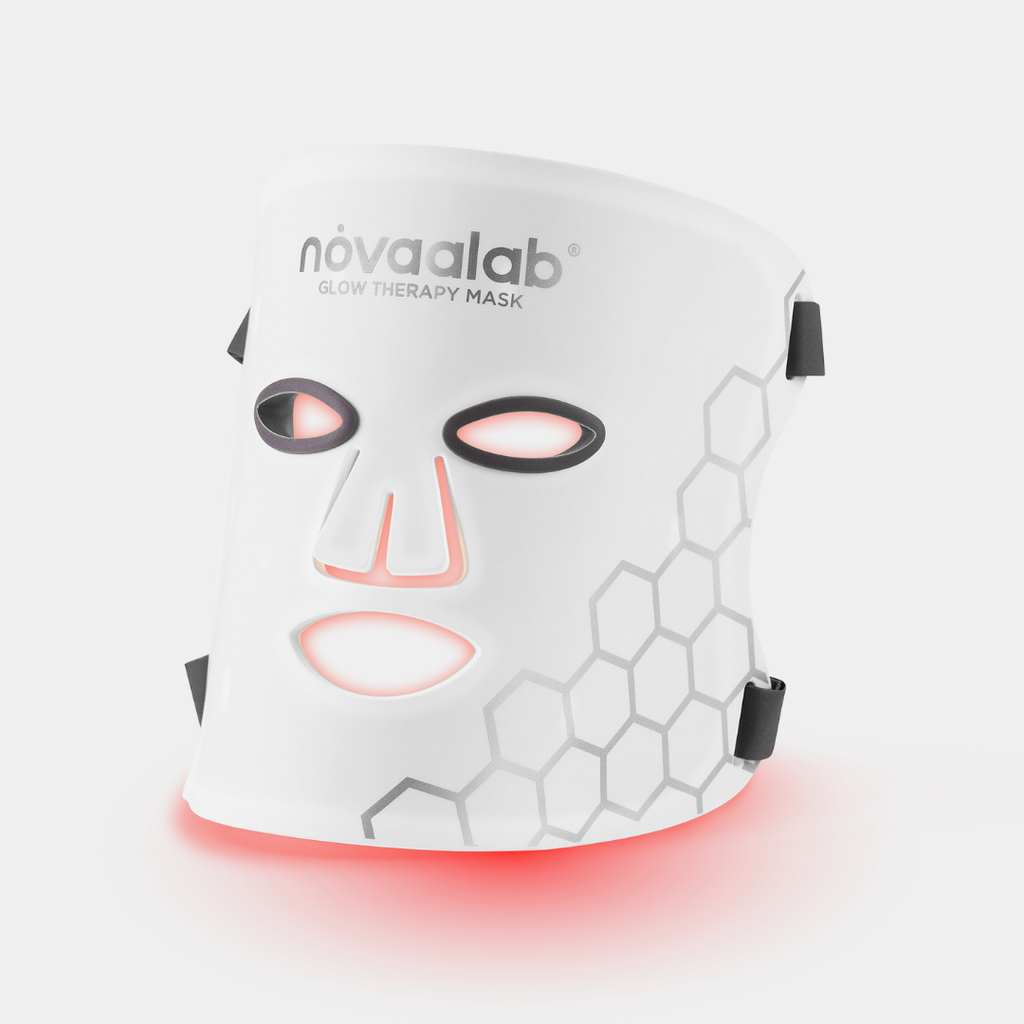


Clinical research shows that red and near-infrared (NIR) light therapy can support exercise performance when used before a workout and recovery after a workout. These benefits come from photobiomodulation — a light-driven process that helps muscle cells produce energy more efficiently and recover from training stress.
A growing body of research shows various physiological benefits of RLT and NIR:
-
Enhances muscular energy, performance, and fatigue resistance: Studies show that red and near-infrared light improve mitochondrial efficiency and ATP production in skeletal muscle, helping working muscles generate more energy, perform more effectively, and delay fatigue during exercise.
-
Reduces muscle damage, soreness, and oxidative stress after training: Research shows that photobiomodulation lowers exercise-induced oxidative stress, preserves antioxidant capacity, reduces markers of muscle damage, and lessens delayed onset muscle soreness (DOMS), supporting smoother recovery after intense or unaccustomed workouts.
- Improves circulation and tissue repair during recovery: Clinical studies show that red and near-infrared light increase microcirculatory blood flow, supporting oxygen delivery, nutrient uptake, and muscle tissue repair after exercise.
Red light therapy isn’t just about feeling better after a tough session — it supports the underlying biological processes that help muscles perform, recover, and adapt to training more efficiently.
At NovaaLab, we design medical-grade red light therapy devices that deliver clinically studied red and near-infrared wavelengths — using the same light-based mechanisms used in elite sports recovery. That commitment to performance and recovery is why NovaaLab is a proud partner of the Chicago Bulls, whose Player Health and Performance team integrates NovaaLab’s red light technology into daily training, recovery, and rehabilitation.
Can You Use Red Light Therapy Both Before and After Workouts?
Yes, using red light therapy before a workout can help performance, and using it after a workout can assist with recovery. Because photobiomodulation supports multiple physiological pathways, using light therapy both before and after workouts can provide complementary benefits: improved performance during training and improved recovery afterward.
Research suggests that consistent use across training cycles helps maintain energy availability, limit cumulative muscle damage, and support better long-term adaptation to exercise.
-
Pre-workout sessions can help you train harder and longer.
- Post-workout sessions help you recover faster and return to training sooner.
This dual-timing approach is especially useful during high-intensity training phases, competitive seasons, or periods when recovery time is limited.

Red Light Therapy Before vs. After Workouts: When Timing Matters
Red light therapy can support both performance and recovery, but when you use it influences which benefits are emphasized. Pre-workout sessions help prime muscles for output and fatigue resistance, while post-workout sessions focus on recovery, tissue repair, and soreness reduction.
Understanding the difference allows you to use light therapy more strategically — or combine both for full-spectrum support. The table gives you the details at a glance to help you decide what timing works best for you.
| Timing | Primary Goal | How It Helps | Best for |
|---|---|---|---|
| Before a workout | Enhance performance and delay fatigue | Increases mitochondrial efficiency and ATP availability, helping muscles generate energy more efficiently and sustain output during exercise | Strength training, sprinting, interval training, competition days, peak performance sessions |
| After a workout | Accelerate recovery and reduce soreness | Reduces oxidative stress, lowers muscle damage markers, improves blood flow, and supports tissue repair after training stress | Muscle soreness, recovery days, back-to-back training sessions, high-volume training blocks |
| Both before and after a workout |
Support performance and recovery across training cycles | Combines pre-conditioning benefits with post-exercise repair, helping maintain energy availability and limit cumulative muscle stress over time | Athletes in intense training phases, frequent exercisers, limited recovery windows |
Using Red Light Therapy Before a Workout: Performance Support
Rather than stimulating muscles the way caffeine or stimulants do, red light therapy supports performance by enhancing the underlying cellular energy systems muscles rely on to work harder and longer. Photobiomodulation supports this cellular function by improving mitochondrial efficiency, circulation, and energy availability in muscle tissue.
Using specific wavelengths of red and near-infrared light before exercise acts as a form of physiological pre-conditioning. By stimulating mitochondrial activity and improving oxygen utilization, photobiomodulation helps muscles generate energy more efficiently during training.
Pre-workout light therapy has been shown to increase ATP availability in muscle cells, which supports sustained power output and delays fatigue during high-intensity or endurance exercise. Studies involving trained athletes show that applying photobiomodulation before exercise can improve sprint performance, strength output, and time-to-exhaustion compared with placebo conditions.
This makes pre-workout red light therapy especially useful for:
- Strength training and resistance workouts
- Sprinting, interval training, or power-based sports
- High-volume training blocks where fatigue management matters
- Athletes aiming to optimize peak performance during sessions
Using Red Light Therapy After a Workout: Recovery and Repair
Instead of simply masking soreness, post-exercise photobiomodulation supports the biological processes muscles use to heal and rebuild. After intense exercise, muscles experience micro-damage, inflammation, oxidative stress, and reduced circulation — all factors that contribute to soreness and delayed recovery.
Using red and near-infrared light after training helps regulate these responses by reducing oxidative stress, lowering inflammation, improving blood flow, and supporting tissue repair. Because different wavelengths of light interact with tissue at different depths, red and near-infrared light are often used together to address both surface and deeper recovery needs.
Clinical studies show that photobiomodulation applied around or after exercise can reduce markers of muscle damage, decrease delayed onset muscle soreness (DOMS), and support faster recovery between sessions.
Post-workout light therapy is particularly beneficial for:
- Reducing muscle soreness after intense training
- Supporting recovery during back-to-back training days
- Improving comfort and mobility between sessions
- Helping muscles repair and adapt to training stress
How Red Light Therapy Supports Performance and Recovery
Red light therapy works by targeting the core biological processes that determine how muscles perform during exercise and how efficiently they recover afterward. Using precise wavelengths of red and near-infrared (NIR) light, photobiomodulation supports energy production, protects muscle tissue from damage, and creates the conditions muscles need to repair and adapt to training stress.

Enhances Performance and Delays Fatigue When Used Before Exercise
Using red or near-infrared light before a workout can prime muscles for athletic performance by increasing ATP availability, improving oxygen utilization, and delaying the onset of fatigue. This pre-conditioning effect allows muscles to sustain output longer during demanding training sessions.
These studies note how red light therapy helped enhance performance:
-
Pinto et al. demonstrated that photobiomodulation applied before exercise improved sprint performance and reduced fatigue indices in rugby players compared with placebo.
- In a separate study, de Oliveira et al. reported that infrared photobiomodulation increased maximal voluntary muscle contraction, supporting the role of pre-exercise light therapy in enhancing strength and delaying fatigue.
Limits Exercise-Induced Muscle Damage
Strenuous or eccentric exercise can cause micro-tears in muscle fibers, leading to the release of enzymes such as creatine kinase (CK) into the bloodstream. Elevated CK levels are a well-recognized indicator of muscle damage and delayed recovery. Red light therapy has been shown to reduce these markers, suggesting less structural disruption to muscle tissue during training.
Research has found that red light therapy lowers creatine kinase levels:
-
Baroni et al. found that low-level laser therapy applied before eccentric exercise significantly lowered creatine kinase levels and other muscle damage markers compared with placebo, indicating reduced muscle injury.
- Additional research on whole-body photobiomodulation protocols has shown lower CK concentrations 24 to 72 hours after high-intensity training, reflecting less delayed muscle damage and improved recovery dynamics.
Boosts Mitochondrial Energy Production (ATP)
Muscle performance starts at the cellular level. Red and near-infrared light are absorbed by cytochrome-c-oxidase, a key enzyme in the mitochondria responsible for oxidative metabolism and ATP (adenosine triphosphate) production. When this enzyme is stimulated, mitochondrial efficiency increases, giving muscle cells more usable energy to power contractions and support repair after exercise.
Research shows how red light therapy increases ATP production:
-
Karu’s foundational research on cytochrome-c-oxidase showed that red and near-infrared wavelengths directly influence mitochondrial respiration and oxidative phosphorylation, leading to increased ATP production.
- Building on this mechanism, Ferraresi et al. demonstrated that photobiomodulation improves mitochondrial oxidative capacity in human skeletal muscle, increasing ATP availability to support muscle performance and recovery.
Reduces Oxidative Stress After Intense Training
High-intensity or unfamiliar exercise generates reactive oxygen species (ROS), which contribute to muscle fatigue, inflammation, and secondary tissue damage. Red and near-infrared light help regulate this response by lowering oxidative stress while preserving the body’s antioxidant defenses, allowing muscles to recover without excessive cellular damage.
Reduced oxidative stress was linked to red light therapy in these studies:
- In a controlled human study, De Marchi et al. found that near-infrared low-level laser therapy applied before a progressive running test reduced post-exercise oxidative stress markers in skeletal muscle while also improving performance.
- Similarly, Jówko et al. showed that photobiomodulation applied before eccentric exercise reduced oxidative stress markers and helped preserve antioxidant capacity, indicating protection against secondary oxidative damage following intense training.
Reduces Delayed Onset Muscle Soreness (DOMS)
Delayed onset muscle soreness typically peaks 24 to 72 hours after intense or eccentric exercise and is linked to inflammation and muscle tissue irritation. By moderating post-exercise inflammation and reducing secondary muscle damage, red light therapy can lessen the severity and duration of DOMS. These effects are partly anti-inflammatory, helping calm exercise-induced irritation without suppressing the body’s natural adaptation to training.
Studies reflect that red light therapy helps with muscle soreness:
- In a randomized, double-blind, placebo-controlled trial, Vanin et al. found that near-infrared photobiomodulation applied before an eccentric fatigue protocol resulted in lower DOMS and improved recovery outcomes in high-level soccer players.
- Similarly, Fritsch et al. showed that 810-nm photobiomodulation applied around a plyometric exercise protocol significantly attenuated DOMS and improved knee-extensor recovery compared with placebo.
Improves Blood Flow and Supports Tissue Repair
Efficient recovery depends on circulation. Red and near-infrared light help deliver oxygen and nutrients to working muscles while clearing metabolic waste products because the light therapy promotes vasodilation and increases microcirculatory blood flow. This supports tissue repair and accelerates recovery after exercise.
These studies show how red light therapy improves blood flow:
-
Gavish et al. demonstrated that near-infrared photobiomodulation increased microcirculatory flow and tissue perfusion by up to 27% to 54% compared with baseline measurements.
- A separate clinical trial found that 890-nm near-infrared light significantly increased local blood flow in treated tissues versus placebo, supporting improved oxygen delivery and nutrient uptake during recovery.

How to Use Red Light Therapy Before and After a Workout
Red light therapy is pretty straightforward, but it does help to follow best practices to get the most out of your device use. These sections will help you understand how to use your device safely and effectively to get the best results.
Treatment Guidelines for Red Light Therapy
Red and near-infrared light work through photobiomodulation to support cellular energy production, circulation, and tissue repair — benefits that compound over time with regular use. For best results, use red light therapy consistently around your workout routine, adjusting timing based on whether your goal is performance enhancement before training or recovery support after exercise.
-
Ideal wavelengths: red light (630–660 nm) and near-infrared light (NIR) (800–850 nm)
- Using both wavelengths together allows you to support energy availability, muscle performance, and recovery pathways in a single routine. These wavelengths are the most commonly studied in photobiomodulation research for muscle performance and recovery. Red light primarily supports mitochondrial energy production and surface-level tissue processes, while near-infrared light penetrates deeper into muscle tissue and joints to support circulation, reduce oxidative stress, and aid post-exercise repair.
-
Session duration: 10 to 20 minutes per treatment area
- Use red light therapy for 10 to 20 minutes per treatment area, depending on the size of the muscle group you’re targeting. Larger muscle groups — such as the quads, hamstrings, glutes, or back — benefit from longer sessions, while smaller areas like shoulders, knees, or calves may require less time.
- Use red light therapy for 10 to 20 minutes per treatment area, depending on the size of the muscle group you’re targeting. Larger muscle groups — such as the quads, hamstrings, glutes, or back — benefit from longer sessions, while smaller areas like shoulders, knees, or calves may require less time.
-
Session frequency: Red light therapy works cumulatively. Regular, repeated sessions support better mitochondrial efficiency, reduced muscle stress, and more consistent recovery over time.
-
Pre-workout performance support: 1 session immediately before training, up to once per day
-
Post-workout recovery support: 1 session after training, ideally within a few hours of exercise
- Ongoing recovery and wellness: 3 to 5 sessions per week on commonly trained or sore muscle groups
-
Pre-workout performance support: 1 session immediately before training, up to once per day
Step-by-Step Tips for Using Red Light Therapy
Follow these steps to integrate red light therapy safely and effectively into your fitness routine:
-
Identify the target area. Focus on the primary muscle groups or joints involved in your workout, such as legs, hips, back, shoulders, or knees.
-
Position the device correctly. Place the device close to the skin over the target area, following the manufacturer’s distance guidelines to ensure adequate light delivery to the muscle tissue.
-
Choose your timing. Use before workouts to support energy production and delay fatigue. Use after workouts to reduce muscle damage, soreness, and recovery time.
- Stay consistent. Regular use across training weeks is more effective than occasional sessions. Consistency helps support long-term adaptation, recovery, and performance.
How to Safely Apply Red Light to a Target Area
Red light therapy is generally safe and well tolerated when used as directed, but a few precautions help ensure the best experience:
- Do not use over open wounds or active skin infections unless advised by a medical professional.
- Avoid shining light directly into the eyes.
- Follow recommended session times to avoid unnecessary overstimulation.
- If you have underlying medical conditions or injuries, consult a healthcare provider before starting.
- When used correctly, red and near-infrared light therapy offers a low-risk, non-invasive way to support performance, recovery, and overall training resilience — all from the convenience of home.
Which NovaaLab Device Is Best for Workouts and Recovery
To get the most out of red and near-infrared light therapy around your training routine, it’s important to pick a device that matches your goals, workout style, and target areas. Below are the top NovaaLab devices and how they fit into performance enhancement and recovery support.
Novaa Light Pad — Best for Large Muscle Groups
Use Novaa Light Pad when you want broad coverage — for example, on a leg or back day — or when you’re coming off a tough training block and want full-area recovery support.
Ideal for:
- Quads, hamstrings, glutes, back, chest — the big movers
- Strength training days when multiple muscle groups are engaged
- Recovery days after high-load or high-volume sessions
Why it works: The Light Pad delivers therapeutic wavelengths across a larger surface area, making it ideal for treating entire muscle groups rather than just isolated spots.
Benefits:
- Supports ATP production across larger muscle volumes — helpful before full-body or multi-joint workouts
- Improves circulation and mitochondrial energy availability across major muscles
- Reduces cumulative muscle stress and soreness after heavy training
NovaaLab Light Switch: Best for Precision & Spot Treatments
The Novaa Light Switch is especially helpful for quick, repeatable treatment before or after specific movements.
Ideal for:
- Focused pre-workout priming in smaller areas
- Targeted post-workout recovery when specific areas are sore
- Quick sessions before training or on the go
Why it works: This handheld wand delivers concentrated red and near-infrared wavelengths to a specific muscle group or joint. It’s great when you want to zero in on trouble spots — like a tight shoulder after overhead pressing or a sore knee following squats.
Benefits:
- Pre-workout spot priming to enhance local ATP production and oxygen delivery in a specific muscle group
- Post-workout precision recovery for areas with lingering soreness or joint irritation
NovaaLab Knee Ultra — Best for Joint Support & Heavy Lower-Body Training
The Novaa Knee Ultra is a great option if your lower-body workouts consistently stress your knees and you want a targeted, powerful recovery tool.
Ideal for:
- Runners and cyclists who stress knees frequently
- Strength athletes doing heavy squats, lunges, or plyometrics
- Anyone experiencing joint stiffness or post-workout knee discomfort
Why it works: The Knee Ultra is designed to wrap securely around the knee, delivering red and near-infrared light directly to the tissues and structures that frequently experience load during training.
Benefits:
- Improved local blood flow and circulation — supports delivery of nutrients and oxygen after heavy training
- Reduced markers of joint irritation and muscle damage — helping you recover faster between workouts
- Can be used both pre- and post-exercise when knee function is a training priority
Novaa Light Boot — Best for Lower-Leg Recovery and Endurance Athletes
The Novaa Light Boot is ideal for athletes who need consistent lower-leg support and want a hands-free solution that complements both pre-workout prep and post-workout recovery.
Ideal for:
- Runners, cyclists, hikers
- Frequent leg-focused training
- Calves, shins, and foot musculature
Why it works: The Light Boot is shaped to target the lower-leg muscles and connective tissues that see the most action in endurance or high-rep training. It’s especially helpful if you experience soreness or tightness in the calves, shins, or achilles area.
Benefits:
- Enhances local circulation and oxygen delivery in lower leg musculature
- Supports mitochondrial ATP production after high-endurance sessions
- Reduces delayed onset muscle soreness (DOMS) vs untreated conditions
Performance-Driven Recovery — Built for Training
Training for strength, speed, or endurance demands more than hard workouts — it requires recovery strategies that support performance at the cellular level. NovaaLab designs medical-grade red light therapy devices using the same red and near-infrared wavelengths studied in exercise performance and recovery research.
By delivering therapeutic light directly to working muscles and joints, these devices support ATP production, circulation, and tissue repair — helping you train harder, recover faster, and maintain consistency across workouts, all from home.
With NovaaLab, you’re not getting a generic consumer gadget. You’re getting:
-
Clinical-grade wavelengths (630–660nm red + 800–850nm NIR)
-
Medical-grade technology, designed for the peripheral nervous system
-
Targeted and full-body devices for flexible treatment coverage
-
Built-in safety features for worry-free, at-home use
- A 60-day “Love It or Return It” guarantee to ensure real results, risk-free
Whether you’re training for strength, endurance, or general fitness, NovaaLab’s red light therapy devices make it possible to support performance, speed recovery, and stay consistent with your workouts — safely, effectively, and on your schedule.


Leave a comment