


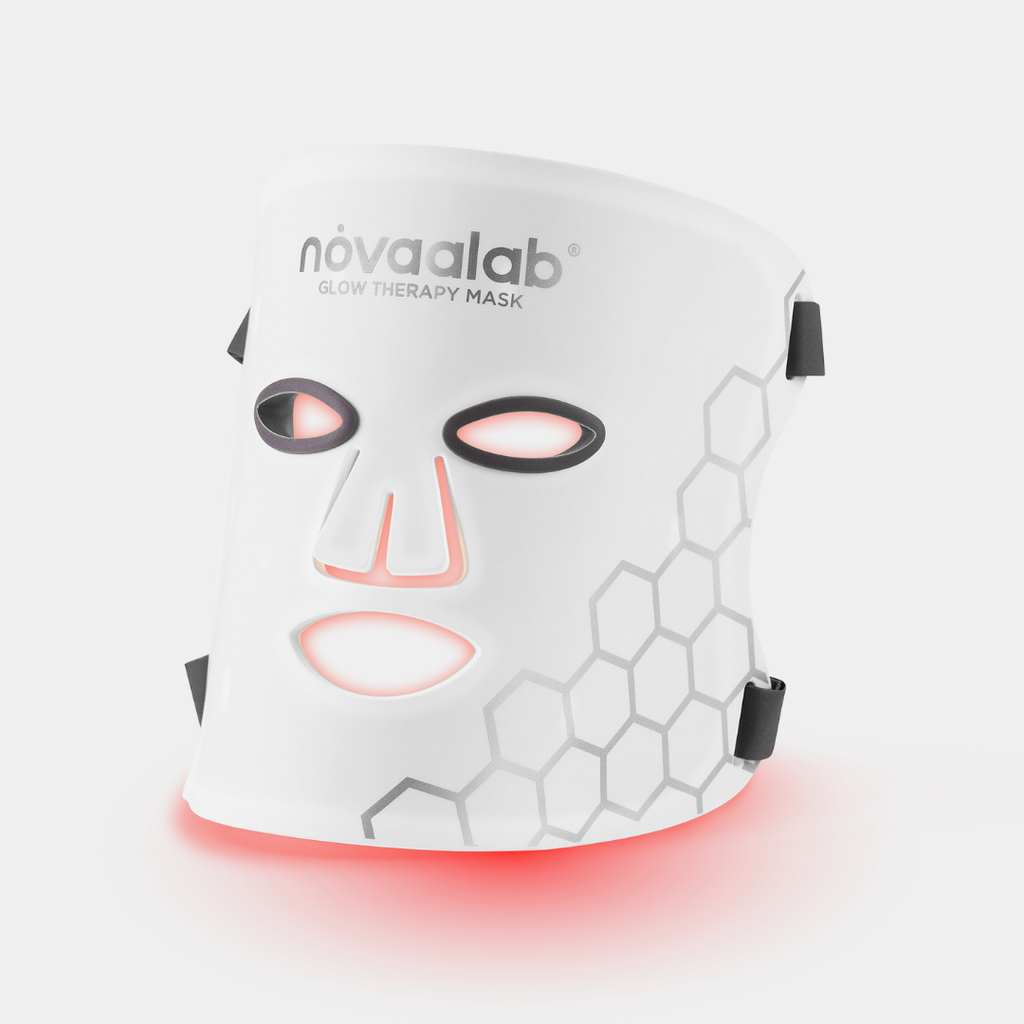


Red and near-infrared (NIR) light therapy are emerging as powerful tools for managing degenerative disc disease (DDD). By targeting inflammation, improving circulation, and supporting cellular energy, red light therapy (RLT) can help reduce discomfort, support spinal tissues, and improve mobility without drugs or surgery. While it doesn’t reverse disc degeneration, it may complement other treatments to help manage pain and enhance quality of life.
Clinical studies suggest that red and NIR light can:
-
Reduce chronic low back pain, fatigue, and disability in those with disc-related pain
-
Lower disc inflammation by suppressing key drivers of pain and degeneration (cytokines like IL-6 and IL-8)
-
Relieve nerve-related symptoms in herniated disc patients when paired with movement therapy
- Boost rehab results by enhancing the effects of exercise on pain and function
Degenerative disc disease can interfere with nearly every part of daily life, from walking and working to sleeping comfortably. And while medication or surgery may offer temporary relief, they don’t support true healing at the cellular level. That’s where red light therapy stands out: It works with your body’s natural repair systems, helping to create an environment where tissue healing and pain management are supported.
At NovaaLab, we design medical-grade red light therapy devices that bring these benefits home using medical-grade wavelengths optimized for back pain relief, spinal support, and disc recovery.

How Red Light Therapy Helps with Degenerative Disc Disease
Red light therapy works by targeting the underlying cellular dysfunction that contributes to disc degeneration and chronic back pain. By improving energy production, circulation, and inflammation response at the site of damage, it helps create a more supportive environment for healing.
| How Red Light Therapy Supports Disc & Spine Health | |
|---|---|
| Cellular Benefit | Impact on Degenerative Disc Disease |
| Boosts ATP production | Fuels tissue repair in worn or damaged intervertebral discs |
| Reduces inflammation | Helps calm disc irritation and lower chronic pain |
| Improves microcirculation | Enhances blood flow around the spine to support healing |
| Modulates pain signaling | Reduces nerve-related discomfort associated with herniation or nerve compression |
Energizes Cellular Repair by Boosting ATP
Red and near-infrared light stimulate mitochondria — the energy centers of your cells — to produce more ATP (adenosine triphosphate). This additional energy may help cells function more efficiently, supporting repair in stressed or degenerated disc tissues. In one clinical trial, nurses with chronic low back pain saw significant reductions in pain and disability after just two weeks of LED photobiomodulation therapy, highlighting how red light may support healing and reduce pain even in disc-related cases.
Reduces Inflammation Inside the Disc
Inflammation is a key factor in disc-related pain. Low-level light therapy (LLLT) has been shown to reduce inflammatory cytokines like IL-6 and IL-8 in human annulus fibrosus (disc wall) cells — the exact tissue that deteriorates in degenerative disc disease. This reduction in inflammation may help slow the progression of degeneration and reduce pain levels at the source.
Improves Blood Circulation to Support Healing
Degenerated discs often suffer from poor blood flow, which limits oxygen and nutrient delivery. Red and near-infrared light promote microcirculation, helping improve nutrient exchange and tissue oxygenation in surrounding areas. This improved blood flow can reduce stiffness and support disc tissue recovery, especially when used alongside movement-based therapies.
Supports Nerve Health in Disc-Related Conditions
When discs degenerate or herniate, they often compress nearby nerves, causing radiating pain or weakness. Red light therapy may help reduce local inflammation and modulate nerve signaling, which can ease nerve-related symptoms. In one study on herniated lumbar discs, participants receiving LED light therapy experienced greater improvements in radicular pain and mobility than placebo, suggesting meaningful nerve relief.
Enhances Results When Paired with Movement
Red light therapy isn’t a replacement for physical therapy, but it can make it more effective. A study combining 980 nm low-level laser therapy with therapeutic exercise found significantly greater pain relief compared to exercise alone, especially in cases likely tied to disc degeneration. This makes it an ideal companion to mobility work, chiropractic care, or back-strengthening routines.
Together, these effects don’t just mask pain — they help address some of the root causes of disc-related discomfort. While red light therapy isn’t a cure for disc degeneration, it offers a non-invasive way to support healing, reduce inflammation, and promote long-term relief when used consistently.

Degenerative Disc Disease Is Complex, but RLT Supports the Source
Degenerative disc disease isn’t really a “disease” — it’s a condition that develops over time as the spinal discs wear down. While this wear is often a normal part of aging, it can lead to inflammation, instability, and nerve irritation that causes chronic pain and stiffness. Symptoms vary widely, depending on the discs affected and whether nearby nerves are involved.
Below is a quick look at common causes, what symptoms they may trigger, and how red light therapy may support relief:
| Conditions Tied to Degenerative Disc Disease | How It Contributes to Pain | How Red Light Therapy May Help |
|---|---|---|
| Age-related disc wear | Discs lose hydration and height, increasing stiffness and chronic lower back pain. | Stimulates cellular repair and collagen production to support disc integrity and reduce stiffness |
| Herniated or bulging discs | Damaged discs push out of place and may press on nearby nerves, triggering sharp, radiating pain. | Reduces inflammation and nerve sensitivity around the affected disc and nerve root |
| Poor posture/ergonomics | Poor alignment increases stress on the spine, accelerating disc breakdown and muscle imbalances that worsen pain. | Eases muscle tension and promotes blood flow to overstressed soft tissue |
| Previous injury or trauma | Past strain or injury to the spine may lead to chronic inflammation and faster disc degeneration. | Lowers oxidative stress and promotes anti-inflammatory signaling for long-term recovery |
| Osteoarthritis or spinal stenosis | Joint inflammation or narrowing spinal canals often coexist with DDD, amplifying pain and stiffness. | Calms nerve irritation and inflammation, helping reduce radiating or nerve-driven discomfort |
Because disc degeneration can show up in so many ways — from dull aches to nerve-related leg pain — treatment often needs to be just as multifaceted. Addressing inflammation, improving spinal mobility, and supporting tissue repair are all key. That’s where red light therapy may help: not by reversing structural changes, but by targeting the underlying biological stressors that worsen pain and limit movement.
How to Use Red Light Therapy for Degenerative Disc Disease
Red light therapy works best when it’s used consistently and correctly, especially with a clinical-grade device that delivers the right wavelengths to reach deep spinal tissues. Whether your pain stems from disc wear in the lower back, mid-spine, or neck, a structured routine helps maximize results.
Here’s what to know for safe, effective at-home use:
-
Ideal wavelengths: Choose a device with both red (630–660 nm) and near-infrared (810–850 nm) light. These specific wavelengths reach deep spinal tissues to reduce inflammation and support disc and soft tissue repair.
-
Session duration: Treat the affected area for 10 to 30 minutes per session. Most people find treatments relaxing, with no downtime needed.
-
Frequency: Aim for 3 to 5 sessions per week. Red light therapy works cumulatively — regular use builds deeper, longer-lasting results.
-
Target areas: Position the device over your lower back, and include nearby areas (hips, upper glutes) for full coverage. If pain radiates down your leg, treat along that path as well.
-
Distance from the device: Keep the light source close (typically within 6 inches), but follow your device’s specific recommendations to ensure optimal energy delivery.
-
Pair with movement: Red light therapy can make it easier to move by reducing stiffness and irritation. For best results, pair sessions with stretching or rehab — as supported by clinical research.
-
Safety tips: Red light therapy is generally safe and non-invasive, but keep these in mind:
- Avoid treating over open wounds or infections.
- Consult your healthcare provider before starting if you have severe spinal conditions or implants.
- Avoid shining the light directly into your eyes (most quality devices include built-in safety features or accessories).
- Avoid treating over open wounds or infections.
Timeline of Relief: What to Expect with Red Light Therapy

While every case is different, most people with degenerative disc issues report early improvements in pain and stiffness within the first 2 to 6 weeks of consistent red light therapy. These early changes are often due to reduced inflammation and muscle tension in the lower back.
More significant progress — such as improved mobility, less nerve compression, and greater day-to-day function — tends to occur over a longer period of 6 to 12 weeks. This matches findings from clinical research showing that photobiomodulation helps reduce pain, improve tissue healing, and support disc-adjacent structures over time.
Your results may depend on several key factors:
-
Severity of degeneration: Milder disc damage often responds faster than advanced degeneration or herniation.
-
Consistency of treatment: Using red light therapy 3 to 5 times per week is more effective than occasional use.
-
Activity levels: Combining light therapy with gentle movement or rehab exercises can enhance tissue healing and pain relief.
- Treatment coverage: Targeting both the spine and surrounding muscles helps address multiple contributors to pain.
It’s important to think of red light therapy as a cumulative treatment — not a one-time fix. By supporting anti-inflammatory activity, circulation, and cellular repair, it can offer a non-invasive path toward better spine health and a more active, pain-managed life.
What to Know Before You Begin Treatment
Red light therapy is generally considered safe and well-tolerated, making it an accessible option for people managing degenerative disc disease at home. Still, there are a few things to be aware of before beginning treatment, especially if you’re dealing with advanced spinal issues or complex health conditions.
Safe for most users:
- Non-invasive and painless
- No known systemic side effects
- Can be safely combined with physical therapy or other conservative care
Use with caution or consult a healthcare professional if:
- You have severe or worsening symptoms.
- You’re recovering from recent surgery.
- You have open wounds or active skin infections in the treatment area.
If you’re unsure whether red light therapy is right for your specific case of disc degeneration, it’s always a good idea to speak with your doctor or spine care specialist first.
Clinical-Grade Relief, Right at Home
When you’re dealing with the daily pain and stiffness of degenerative disc disease, you want more than temporary relief — you want something that supports healing at the source. Red light therapy works by energizing the body’s natural repair processes, reducing inflammation, and restoring circulation where it’s needed most.
That’s why NovaaLab designs red light therapy devices using research-backed wavelengths (630–660 nm red + 810–850 nm near-infrared) to reach deep into the tissues surrounding your spine. Each product is built for safe at-home use, delivering professional-grade power without the need for a clinic visit.
If your pain runs deep, your therapy should, too. NovaaLab delivers where basic devices fall short. You’ll get:
-
Targeted and full-coverage devices to support spine and joint pain
-
Clinical-level technology optimized for tissue repair and inflammation
-
Built-in safety features for safe, worry-free use
- A 60-day “Love It or Return It” guarantee for real results, risk-free
Whether you’re managing chronic lower back pain, stiffness from disc degeneration, or simply looking for a better way to support spine health, red light therapy may be the non-invasive treatment option that helps you improve your quality of life.


Leave a comment