


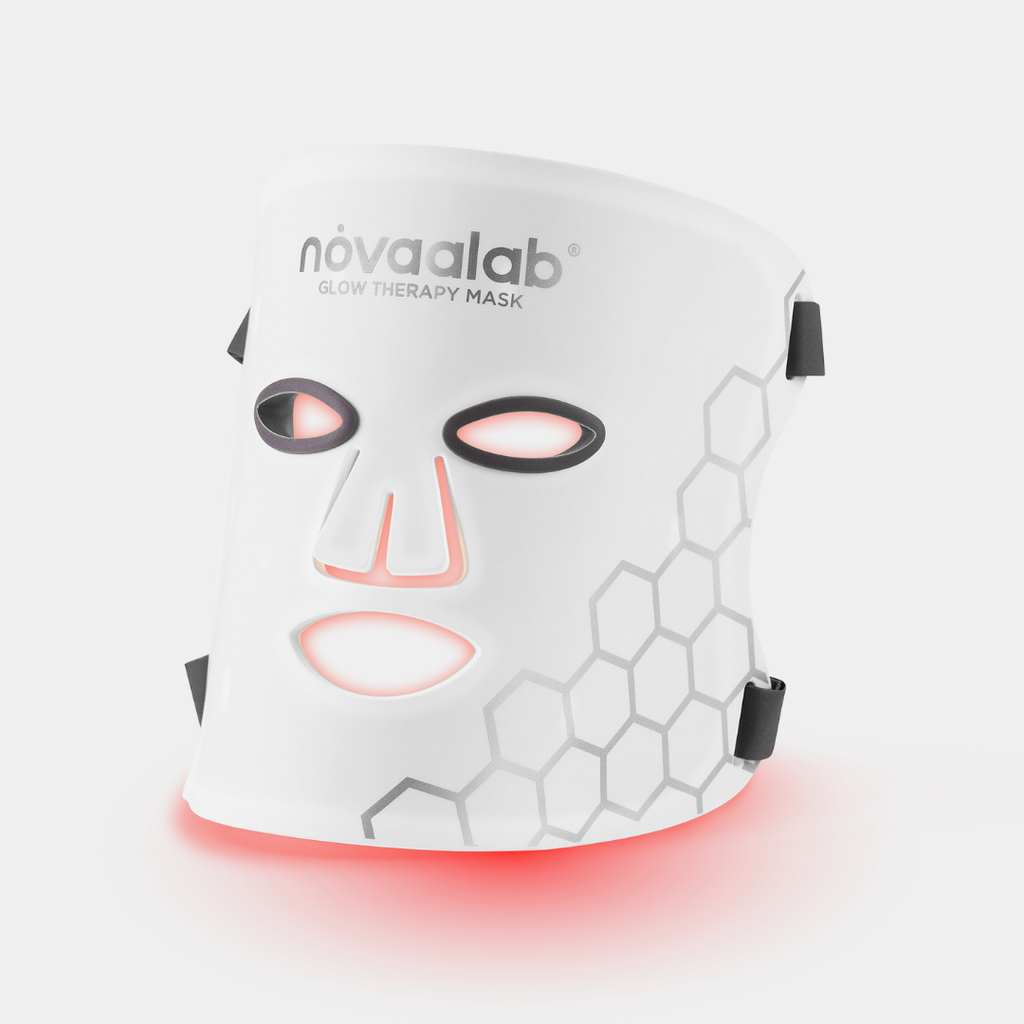


Red and near-infrared light therapy, (photobiomodulation) may help reduce knee pain, improve mobility, and make everyday movement more comfortable, especially in people with knee osteoarthritis, but it doesn’t cure or rebuild your joint. These two wavelengths of light work together: Red light primarily interacts with more superficial tissue around the joint, while near-infrared light penetrates deeper into muscles, ligaments, and joint structures, which is often what people need most when knee pain becomes limiting.
The most practical way to think about red light therapy for knee pain is this: It may help quiet the inflammatory “noise” in and around the joint, support the energy your cells need for repair, and reduce pain sensitivity enough to help you keep up with movement and rehab.
Most of the strongest evidence comes from studies on knee osteoarthritis, and key takeaways based on research include:
-
Knee osteoarthritis pain can improve with photobiomodulation. A knee-specific randomized controlled trial in knee osteoarthritis reported significant improvements in pain at rest and in motion, along with improved knee function versus sham treatment.
-
Light-based therapy can decrease inflammation after knee-related treatments, such as surgery. In a small post-arthroplasty clinical trial, people who received light therapy had lower levels of inflammatory markers in their blood compared to those who did not.
-
Red and near-infrared light therapy supports how the knee handles pain and stress. A major mechanistic review explains how red and near-infrared light can influence inflammation, improve cellular energy (ATP), and support circulation in ways that are relevant to knee pain and recovery.
-
Combining light therapy with movement may improve results in movement. In knee osteoarthritis rehabilitation research, adding light-based therapy alongside exercise led to better functional outcomes than exercise alone.
-
Red and near-infrared light therapy may reduce pain and sensitivity early in treatment, even before functional changes. A small musculoskeletal pain trial found photobiomodulation reduced a pain-signaling molecule (PGE2) after treatment, which may help explain why some people feel less sensitivity before larger changes in function.
As a non-invasive treatment, red light therapy devices work best as part of a broader care plan guided by your healthcare provider. It’s designed to complement physical therapy, not replace pain management strategies or other treatments, by supporting a healthier healing environment that may reduce discomfort and improve movement over time. To understand the benefits of red light therapy, this guide explains the biology behind your pain and how red and near-infrared light may help.

Inflammation Is a Key Driver of Knee Pain
Most ongoing knee pain is not just wear and tear. Even in osteoarthritis, the joint environment can stay irritated for long periods. That irritation is inflammation.
Inflammation is your body’s protective response. In the short term, it helps healing. In the long term, low-grade inflammation can become a problem, more like a small fire that never fully goes out. Inside a painful knee, inflammatory signals can contribute to:
-
Swelling and pressure that makes bending the knee feel tight, like when you’re walking down stairs
-
Sensitivity where movements like stairs, squats, or getting up from a chair feels sharper than it should
-
Stiffness, especially after sitting or first thing in the morning
- A movement spiral where pain leads to less movement, less movement leads to more stiffness and weakness, and that often increases pain again
This cycle matters because cartilage and other joint tissues are slow to recover. The knee does not always get the same “easy” healing environment as tissues with a strong blood supply.
What this means in real life: If inflammation stays high, even normal movement can feel like it triggers a flare-up. Any tool that helps calm the joint enough to keep you moving is worth considering.
How Red Light Therapy Reduces Knee Pain and Inflammation
The most meaningful reason red red and near-infrared light therapy may help knee pain is that it can support a shift away from a highly inflamed state, both at the surface of the joint and in deeper surrounding tissue.
Inflammation is coordinated by chemical messengers, including cytokines (signaling proteins that can sustain swelling and pain sensitivity). When those signals stay elevated, they can contribute to persistent soreness, stiffness, and reduced function.
This chart offers a quick look at what’s happening in your knee and how red light therapy can help.
| What’s happening in knee pain | What it feels like | How red light therapy may help |
|---|---|---|
| Inflammation stays elevated inside and around the joint (common in osteoarthritis). | Stiffness, swelling, pain with stairs, squats, or getting up from a chair | May help modulate inflammatory signals (like cytokines) linked to pain and joint irritation |
| Pain sensitivity increases in the joint and surrounding tissue. | Movements feel sharper than expected; knee feels reactive to normal use | May reduce pain signaling and sensitivity (including effects on molecules like PGE2) |
| The joint environment becomes less tolerant to movement over time. | Flare-ups after activity; hesitation to move; cycle of pain → less movement → more stiffness | May help calm the joint enough to make movement and daily activity more comfortable |
| Muscles and surrounding support structures weaken due to reduced use. | Feeling unstable, weaker, or fatigued with walking, standing, or climbing stairs | May support better participation in movement, which helps rebuild strength and stability |
| Cellular energy for tissue maintenance and repair is limited. | Lingering soreness; slower recovery after activity | May support cellular energy (ATP production) involved in tissue maintenance and recovery processes |
| Local circulation may be less efficient in chronically irritated tissue. | Stiff, heavy feeling after sitting; slow warm-up when you start moving | May support microcirculation and tissue perfusion, helping the knee feel less stiff and more ready to move |
| Pain and stiffness make exercise harder to tolerate, limiting rehab progress. | Difficulty sticking with strengthening or physical therapy; progress feels inconsistent | May make exercise and rehab more tolerable, helping you stay consistent with the movements that support long-term knee health |
Pain and Inflammation Decreases in and Around the Knee
Red and near-infrared light therapy can help reduce knee pain by working across different tissue depths, supporting both surface-level inflammation and deeper joint structures involved in pain and movement.
In a knee osteoarthritis randomized controlled trial, participants received low-level laser therapy three times weekly for four weeks (using two near-infrared wavelengths). Compared with a sham group, the treatment group showed significant improvements in:
- Pain scores (including pain with movement)
- Pressure pain threshold (how sensitive the knee is to pressure)
- Knee osteoarthritis severity index scores (function and symptom burden)
This matters because it aligns with what people want most: less pain with motion and better day-to-day knee use.
In a small placebo-controlled post-surgical study, photobiomodulation was associated with reductions in circulating inflammatory cytokines including IL-6, IL-8, and TNF-α (see this PBMT trial measuring inflammatory cytokines after arthroplasty). Post-surgical pain is not the same as chronic osteoarthritis pain, and biomarker shifts do not automatically guarantee symptom relief. Still, this type of finding supports the idea that photobiomodulation can influence inflammation in a knee-relevant context.
Takeaway: When inflammation quiets down, the knee often feels less reactive, so walking, climbing stairs, or doing gentle strengthening is less likely to trigger a flare.
Cellular Energy Increases to Support Tissue Repair
Another obstacle with knee pain is often recovery capacity. Cells need energy to maintain tissue, remodel stressed structures, and support healing, and red and near-infrared light may help..
That energy cells need is largely delivered through ATP (adenosine triphosphate). Red and near-infrared light is understood to interact with a mitochondrial enzyme (cytochrome c oxidase), which can support cellular energy production and downstream repair processes. Because near-infrared light can reach deeper joint structures while red light interacts with more superficial tissue, this combined approach may support cellular energy production across multiple layers involved in knee pain and recovery.
This mechanism is explained in detail in a widely cited mechanistic review by Hamblin. While knee osteoarthritis trials typically measure pain and function — not ATP directly — the clinical improvements seen in knee studies are consistent with the broader biological model.
Although you may not feel tissue repair happening, over time this supportive effect may show up as less lingering soreness after activity and better tolerance for strengthening.
Takeaway: Red light therapy is not just about symptom masking; it may also support the energy needs behind recovery.
Circulation Improves in Knee Tissue to Support Healing
Knee tissues do not all have the same blood supply. Some structures, like cartilage, have limited direct circulation. And when a knee is chronically irritated, local microcirculation (blood flow through very small vessels) may be less efficient.
Photobiomodulation, using red and near-infrared light, has been associated with improved microcirculation and local perfusion in multiple contexts, described in the same mechanistic review by Hamblin. Better microcirculation can support:
- More oxygen and nutrient delivery to tissues around the joint
- Better clearance of metabolic “waste” that can accumulate in irritated tissue
- A reduction in the heavy, stiff feeling some people notice after inactivity
Evidence for microcirculation changes is stronger in peripheral/skin models than directly inside knee joint structures. Still, it fits the larger picture of why some people feel less stiffness with consistent use.
Takeaway: Improved local circulation may help the knee feel less stiff and more ready to move, especially when paired with gentle activity.
Pain Sensitivity Decreases at the Nerve Level
By reaching both superficial and deeper tissues, red and near-infrared light may also influence pain signaling pathways involved in chronic knee discomfort. Knee pain is not only about tissue condition. Over time, chronic pain can make the nervous system more sensitive, a process sometimes described as sensitization. In that state, the knee can hurt more from the same input.
Photobiomodulation may influence pain signaling chemistry. One example is prostaglandin E2 (PGE2), a molecule involved in pain and inflammation signaling. In a small musculoskeletal pain randomized placebo-controlled trial, a single photobiomodulation session reduced PGE2 compared with placebo. That study was done in chronic low back pain, not the knee, and pain scores did not significantly change after one session, so it should be treated as supportive evidence rather than a guarantee of fast relief.
A broader view across trials also discusses possible neurochemical effects (such as serotonin/endorphin pathways), summarized in a review of randomized trials. These mechanisms are not as well documented in knee-specific trials, but they help explain why some people notice reduced pain sensitivity before they notice deeper functional changes.
Takeaway: For some people, red light therapy may reduce the volume of pain signals, helping the knee feel less sharp during normal movement.

Why Red Light Therapy Works Best When Combined with Movement
Red light therapy is best viewed as a rehab enabler, not a replacement for exercise or physical therapy. Because this combined light approach of red and near-infrared wavelengths can help calm both surface-level irritation and deeper joint sensitivity, it often makes movement feel more tolerable.
When pain and stiffness drop, even modestly, it becomes easier to do the movements that protect knee function long term, especially strengthening the quadriceps, hips, and surrounding stabilizers, and maintaining comfortable range of motion.
In a knee osteoarthritis rehabilitation randomized controlled trial, adding light-based therapy within a rehab approach was associated with improved functional outcomes such as the number of squats performed and improved pain pressure threshold. Importantly, imaging-based osteoarthritis grading did not change between groups, suggesting the main gains were functional rather than structural.
A separate systematic review of randomized trials specific to knee osteoarthritis evaluated photobiomodulation combined with exercise programs for pain and function, reinforcing that the light-plus- movement pairing is a serious focus in the research.
In practice, this often looks like using red light therapy to reduce the barrier to movement, then doing gentle strengthening and mobility work while the knee is calmer.
Takeaway: If red light therapy helps you move more comfortably, it can indirectly support better long-term outcomes by making rehab more doable and more consistent.
How to Use Red Light Therapy for Knee Pain
Because consistent sessions over weeks, targeting the painful area, directly mirrors the general structure used in clinical studies, a realistic plan is short sessions, several times per week, for weeks, not one long session and then waiting for a dramatic change.
To make this format effective, most at-home devices use a combination of red and near-infrared light so both superficial and deeper knee tissues are treated during each session.
Consult with your care provider about your unique needs and whether you can use this sample routine as a quick-start guide for using red light therapy at home.
| Simple At-Home Routine | |
|---|---|
| Session Length | 10–30 minutes |
| Frequency | 3–5 times per week |
| Distance | Close to the skin (often within ~6 inches, and many wrap-style devices are used in direct contact) |
| Placement | Center over the painful area (often the front of the knee), and if your device allows, include the inner and outer joint line where many people feel tenderness |
If your healthcare provider indicates, after your red light therapy session, or at a time of day when the knee feels calmest, add 5 to 10 minutes of gentle, tolerable movement, such as:
- Easy knee bends and straightening (range-of-motion work)
- Short walks on flat ground
- Light strengthening movements prescribed by your PT (for example, sit-to-stand from a higher chair)
Remember: The goal is not to push through pain. The goal is to use the window of reduced sensitivity to keep the knee active.
When searching for the right device, look for these practical specs:
-
Wavelengths:
-
Red light: 630–660 nm
-
Near-infrared (NIR): 810–850 nm
(Many devices combine both to address more superficial and deeper tissues.)
-
Red light: 630–660 nm
-
Coverage: the knee is not a tiny target. A device that wraps or covers the front and sides of the joint is usually easier than a small spot treatment tool.
- Ease of positioning: consistent placement matters more than “perfect” placement.
Timeline: What to Expect with Red Light Therapy for Knee Pain
Red light therapy tends to be cumulative. Many people notice changes in stages, especially when they stay consistent and keep moving.
| Red Light Therapy Knee Pain Timeline | ||
|---|---|---|
| Weeks 1–2 | What You May Notice: Less stiffness, especially after sitting; slightly easier movement | What It Usually Means: Early inflammation and pain sensitivity may be calming. |
| Weeks 2–4 | What You May Notice: More noticeable pain reduction; better tolerance for stairs, longer walks, or basic strengthening | What It Usually Means: Functional improvements tend to show up as discomfort becomes less reactive. |
| Weeks 6–12 | What You May Notice: More stable day-to-day comfort; fewer flare-ups after activity for some people | What It Usually Means: Longer-term support processes may be building with consistency. |
Results vary based on the underlying cause (osteoarthritis vs. tendon/ligament irritation vs. post-injury pain), severity, consistency, and how well the therapy is paired with movement.
Takeaway: Many people look for early relief in 2 to 4 weeks, but deeper, more durable changes typically require 6 to 12 weeks of consistent use.
How to Choose the Right Red Light Therapy Device for Knee Pain
Not all red light therapy devices are built the same, and for knee pain, the differences matter. The goal isn’t just to get light on the knee but to use a device that makes consistent, repeatable treatment easy, which is what the research actually reflects.
Remember: For knee pain specifically, using both red and near-infrared light is a must because it’s what allows treatment to reach both surface-level and deeper joint structures in a practical, consistent way. So prioritize that when looking for these key features:
-
Red + Near-Infrared (NIR) Wavelengths: Most of the research on photobiomodulation for joint pain uses a combination of red light (630–660 nm) to target more superficial tissue and near-infrared light (810–850 nm) to penetrate deeper into joint structures. Devices that include both ranges are generally more versatile for knee pain, since the knee involves both surface-level and deeper tissues. A dual-wavelength device can better match how light is used in clinical settings, rather than limiting treatment to just one layer of tissue. NovaaLab designs red light devices with both red and near-infrared wavelengths to align with these research-based ranges.
-
Coverage: The knee joint isn’t a single point. It includes the front of the knee, inner and outer joint lines, and surrounding soft tissue that contributes to pain and stability. A small handheld device can work, but it often requires constant repositioning, which makes consistency harder. So look for wrap-style devices or larger pads that cover the front and sides of the knee at once because better coverage makes it easier to treat the full joint area in one session, which improves consistency over time. A wrap-style option like the Novaa Knee Ultra is designed specifically for this type of full-joint coverage, while a larger pad like the Novaa Light Pad can cover broader areas with fewer adjustments.
-
Ease of Positioning: In clinical studies, results come from repeated sessions over weeks, not perfectly placed, one-time treatments. That means a device that’s awkward to hold or requires constant adjustment is much less likely to be used consistently. Look for hands-free options (like wraps or straps) or devices that allow simple, repeatable placement with minimal setup. The goal isn’t perfect precision. It’s being able to use the device consistently 3 to 5 times per week without friction.
- Use Case Fit (Targeted vs. Flexible): Once you understand wavelengths and coverage, the decision becomes more practical: do you want something designed specifically for the knee, or a more flexible device you can use on other areas? A knee-specific wrap can make consistent placement easier, while a flexible pad, like the Novaa Light Pad, allows you to treat surrounding muscles (like the quadriceps or calves), which can also affect knee stress and pain patterns. The right choice depends on how you plan to use it day-to-day.
Is Red Light Therapy Safe for Knee Pain?
For most people, red and near-infrared light therapy is considered low risk and well tolerated when used as directed. It is non-invasive and does not involve medication.
Basic safety guidance:
- Do not shine light directly into your eyes.
-
Avoid use over open wounds or active skin infections unless you have medical guidance.
-
Get medical evaluation first if you have severe swelling, a locked knee, inability to bear weight, fever, suspected infection, or a recent major injury.
- If you are pregnant, have cancer, or take photosensitizing medications, ask a clinician whether photobiomodulation is appropriate for you.
Red light therapy can usually be combined with conservative care like physical therapy and clinician-guided exercise.
Takeaway: Safety is generally favorable, but persistent or severe knee symptoms still deserve a proper diagnosis.
Why NovaaLab Devices Are Built for Knee Pain Relief
If you decide to try at-home red light therapy for knee pain, the device should match what the research typically uses: red and near-infrared wavelengths, consistent sessions, and enough coverage to treat the joint comfortably.
NovaaLab designs at-home red light therapy devices using research-aligned wavelengths (660 nm red and 850 nm near-infrared) in formats that make knee treatment easier to do consistently, including:
-
Novaa Knee Ultra: A knee-specific wrap format for close, repeatable placement and practical joint coverage
- Novaa Light Pad: A flexible pad format that can be positioned over the knee (and also used on surrounding muscles like the quadriceps and calf, when those areas contribute to knee stress)
For people who want to minimize risk when trying a new at-home approach, NovaaLab also offers a 60-day money-back guarantee and HSA/FSA eligibility (where applicable), which can make it easier to evaluate whether consistent use helps your specific knee pain pattern.
If your goal is to reduce pain enough to move more comfortably and to stay consistent long enough to see cumulative change, device fit and usability are not minor details. They are often what determines whether the routine is sustainable.


Leave a comment