




Spider veins (telangiectasias) are visible, damaged blood vessels near the skin’s surface, often linked to small veins that aren’t draining blood properly, thinning or weakened support tissue, and reduced circulation near the skin’s surface, where blood delivery is weaker. While red light therapy is not a direct vein treatment like sclerotherapy or laser therapy, research shows it may support the underlying skin and tissue health factors that influence how spider veins develop and appear over time.
Rather than targeting veins through heat or destruction, red and near-infrared light therapy works through photobiomodulation — a light-based process that supports cellular energy, circulation, and connective tissue function without downtime or invasive side effects.
Key research shows that red light therapy:
- Supports healthier circulation near the skin’s surface: Research shows that red and near-infrared light can improve small-vessel blood flow in treated areas. Better circulation helps deliver oxygen and nutrients to the skin while reducing stagnation that can contribute to visible veins over time.
- Helps reduce ongoing stress on delicate blood vessels: Studies indicate that photobiomodulation can lower excess oxidative and inflammatory stress in tissue. This matters because long-term irritation and stress can weaken small surface vessels and make spider veins more noticeable.
- Encourages collagen production and stronger skin support: Research shows that red light therapy stimulates fibroblasts, the cells that produce collagen. Healthier collagen helps strengthen the skin and connective tissue around small blood vessels, which may improve overall skin quality and affect how spider veins appear against the skin.
Although red light therapy isn’t a replacement for medical vein treatments, it does support the underlying skin and tissue health that plays a role in how spider veins develop and how visible they become over time.
At NovaaLab, we design medical-grade red light therapy devices that deliver clinically studied red and near-infrared wavelengths. By supporting circulation, skin structure, and cellular repair at the surface level, these devices make it possible to incorporate evidence-based light therapy into an at-home wellness routine, using the same photobiomodulation principles studied in skin and connective-tissue research.

How Red Light Therapy Can Benefit Spider Veins Over Time
The biological processes outlined in the table below help explain how red light therapy may influence the appearance and progression of spider veins, even though it does not remove the veins themselves.
By supporting skin health, circulation, and connective tissue at the surface level, photobiomodulation can help create conditions that make superficial veins less stressed and less noticeable over time. The following benefits reflect how those underlying processes translate into visible, real-world effects for skin and vascular health.
| Skin & Vascular Support Process | How Red Light Therapy May Support That Process | Why That Process Matters for Spider Veins |
|---|---|---|
| Skin cell energy and repair | Supports cellular energy (ATP) production in skin cells | Healthy skin repair helps maintain stronger tissue around visible veins |
| Oxidative balance | Helps reduce excess oxidative stress while supporting natural defenses | Lower stress on skin and vessels may help prevent further weakening over time |
| Microcirculation | Supports healthy blood flow in superficial tissue | Balanced circulation may reduce pressure and pooling in small surface vessels |
| Connective tissue support | Encourages fibroblast activity and collagen production | Stronger, more resilient skin can make spider veins less noticeable at the surface |
| Inflammatory regulation | Helps keep inflammatory signals in balance | A calmer skin environment supports long-term skin and vessel health |
Supports Healthier Skin and Connective Tissue Around Veins
Spider veins often become more visible when the skin and connective tissue around them thin or weaken. Red light therapy has been shown to stimulate fibroblast activity and collagen production in the skin, which helps strengthen the tissue that supports small surface blood vessels.
Research found that red and near-infrared light increase fibroblast activity and collagen synthesis, improving skin structure and tissue organization during repair. While this does not remove spider veins, stronger, healthier connective tissue may help reduce how prominently they appear against the skin over time.
Helps Maintain Balanced Blood Flow in Surface Tissue
Spider veins are closely tied to changes in how blood moves through small surface vessels. Research shows that near-infrared light can increase microcirculatory blood flow in the skin, improving oxygen and nutrient delivery to surrounding tissue.
Clinical trials demonstrated that near-infrared photobiomodulation significantly increases local microcirculation and tissue perfusion. While this does not collapse existing veins, improved circulation may reduce localized pressure and stress on fragile capillaries, supporting healthier surface tissue conditions.
Reduces Inflammatory and Oxidative Stress That Can Weaken Vessels
Low-grade inflammation and oxidative stress can gradually weaken connective tissue and contribute to the progression or visibility of spider veins. Red light therapy helps regulate these processes rather than suppressing them outright.
Mechanistic research shows that photobiomodulation reduces excess oxidative stress and modulates inflammatory signaling while preserving normal immune function. This balanced environment supports tissue resilience and may help prevent further breakdown that can make spider veins more noticeable over time.
Supports Skin Health Without Damaging the Skin’s Surface
Unlike treatments that rely on heat, injections, or controlled injury, red light therapy works without breaking the skin or triggering inflammation. This makes it suitable for ongoing use and compatible with other care approaches recommended by dermatologists or healthcare providers.
Broad reviews of low-level light therapy show that photobiomodulation supports skin repair and remodeling through cellular signaling rather than tissue damage, making it a low-risk, non-invasive option for supporting skin health in sensitive or visible areas.

Does Red Light Therapy Work for Spider Veins?
Red light therapy does not remove spider veins or close damaged blood vessels the way medical vein treatments do, but red light therapy supports the skin and tissue around spider veins, which can influence how visible they appear over time. Procedures like sclerotherapy, laser therapy, or intense pulsed light (IPL) work by targeting the vein itself and causing it to collapse or be reabsorbed by the body — something red light therapy is not designed to do.
However, by improving skin quality, supporting collagen production, and promoting healthier circulation at the skin’s surface, red and near-infrared light may help reduce contrast between visible veins and the surrounding skin. For some people, this can make spider veins look less noticeable, even though the veins themselves remain.
In other words, red light therapy is best understood as a supportive, at-home option rather than a standalone vein treatment. It does not replace medical procedures for eliminating spider veins, but it may complement broader skincare or wellness routines focused on improving skin health and appearance — especially for those looking for a non-invasive approach with no downtime.
Treatment Guidelines for Red Light Therapy
Red and near-infrared light support skin and tissue health through photobiomodulation — a process that influences cellular energy production, circulation, oxidative balance, and connective-tissue support. For spider veins, the goal for this treatment option is to gently and consistently support the surrounding skin and tissue rather than aggressively targeting the veins themselves.
-
Ideal wavelengths: Red light (630–660 nm) and near-infrared light (NIR) (800–850 nm) are the most studied wavelengths for skin health and circulation support. Red light primarily supports surface-level skin quality and collagen production, while near-infrared light penetrates deeper to support circulation and tissue health beneath the skin’s surface. Using both together allows for more comprehensive support of the tissue surrounding visible veins.
-
Session duration: Use 10 to 20 minutes per treatment area. Smaller areas with spider veins may benefit from shorter sessions, while larger areas such as thighs or calves may tolerate slightly longer exposure. Longer sessions do not necessarily produce better results.
-
Session frequency: Aim for 3 to 5 sessions per week. Red light therapy works cumulatively. Regular, repeated sessions support gradual improvements in skin and tissue health over time, which may influence the appearance of spider veins with consistent use.
- When to consider medical guidance: Red light therapy is generally used as part of a skin-support routine on intact, healthy skin. If spider veins are rapidly changing, painful, or accompanied by swelling, skin discoloration, or known circulation issues, it’s a good idea to check in with a healthcare professional. People who are pregnant, managing vascular conditions, or using medications that affect circulation or skin sensitivity may also want guidance before starting. Red light therapy works best as a complementary approach and doesn’t replace medical evaluation or vein-specific treatments when those are needed.
Step-by-Step Tips for Using Red Light Therapy
Follow these steps to use red light therapy safely and effectively, when supporting skin health in areas with visible spider veins, including delicate areas like the face:
-
Start with clean, unbroken skin. Avoid areas with active irritation, open wounds, or skin infections. For facial spider veins, remove makeup and skincare products before treatment to allow light to reach the skin evenly.
-
Target the surrounding skin, not just the visible veins. Rather than focusing narrowly on individual veins, position the device over the surrounding skin. Red light therapy supports circulation, connective tissue health, and skin quality in the area around spider veins, which can influence how visible they appear over time.
-
Position the device correctly. Place the device close to the skin, following the manufacturer’s distance guidelines. Keep the device steady during treatment to ensure even exposure. Avoid shining light directly into the eyes, and use eye protection if recommended for facial treatments.
-
Use consistent, gentle sessions. Spider veins develop gradually, and changes in skin and tissue health also occur over time. Short, regular sessions are more effective than infrequent or overly long treatments. Consistency helps support circulation and skin structure without overstressing the area.
- Be patient with results. Red light therapy does not remove spider veins or replace medical vein treatments. Instead, it supports skin health, circulation, and connective tissue over time, which may help reduce the prominence or progression of visible veins with continued use.
Which NovaaLab Device Is Best to Use on Spider Veins?
Choosing the right red light therapy device depends on your goals — whether you’re focusing on broader areas like legs or face, or want targeted support for specific patches of visible veins. All NovaaLab devices deliver clinically studied red and near-infrared wavelengths that support circulation, connective tissue health, and skin quality, which are the key processes linked with the appearance of spider veins.
Novaa Light Pad — Best for Larger Areas and General Support
Use the Novaa Light Pad when you want even coverage over wider areas where spider veins appear — like the backs of legs, thighs, or calves — or when you want to support circulation and skin quality across broader skin surfaces.
Ideal for:
- Leg spider veins (thighs, calves, knees)
- Support for circulation and skin health over larger areas
- People who want hands-free, easy sessions
Why it works: The Light Pad delivers therapeutic red and near-infrared wavelengths across a large surface area, making it easy to support skin and tissue health over visible veins without needing to move the device around.
Novaa Light Switch — Best for Targeted, Precise Treatment
The Novaa Light Switch is ideal when you want focused support in smaller areas or specific spots — like facial spider veins or concentrated patches on legs.
Ideal for:
- Face spider veins or broken capillaries
- Small patches of visible veins on legs or ankles
- Precision work in areas where you want exact control
Why it works: This handheld device delivers concentrated red and near-infrared light right where you need it, allowing for targeted sessions that support circulation and skin support without overstimulating surrounding tissue.
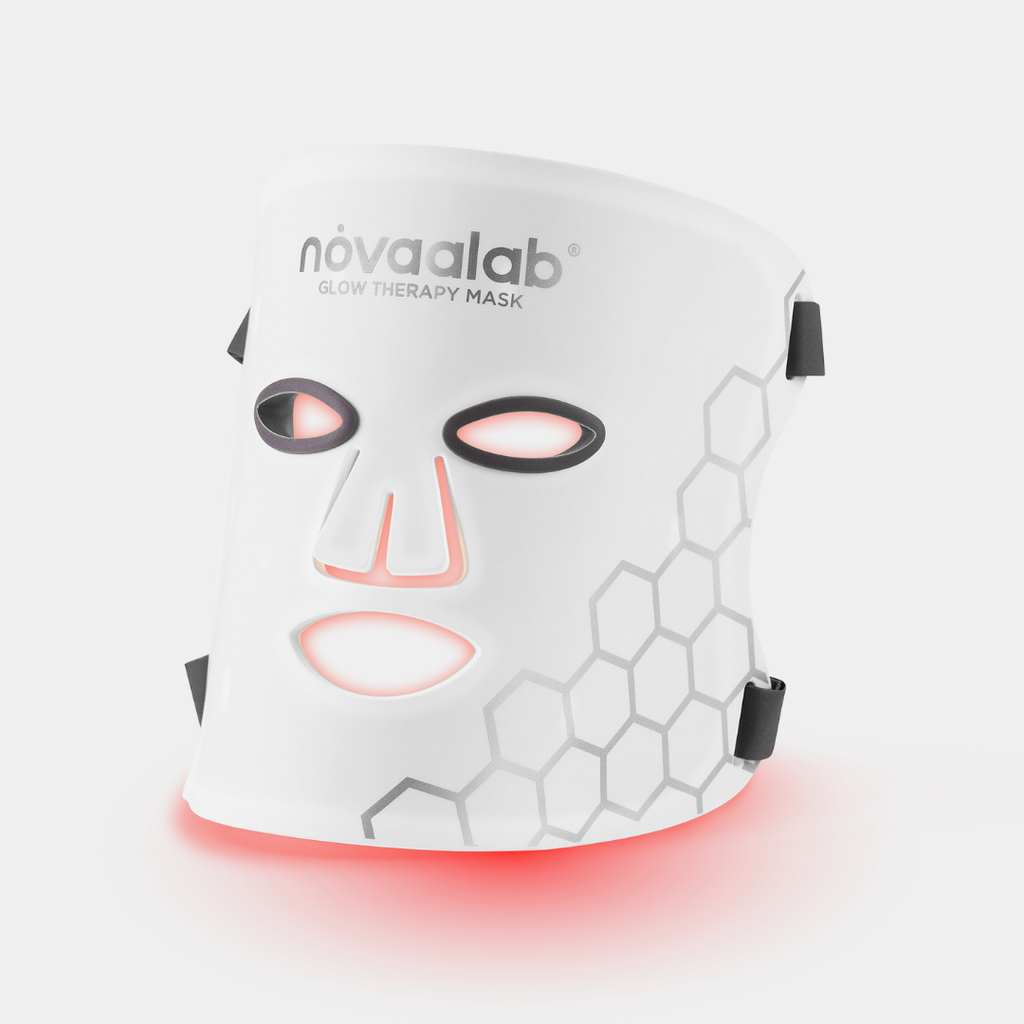
Novaa Glo Therapy Mask — Best for Facial Spider Veins and Skin Quality Support
If spider veins or broken capillaries are most prominent on the face or around the nose and cheeks, the Novaa Glo Therapy Mask provides hands-free, full-face coverage that supports skin health and superficial circulation across the entire facial area.
Ideal for:
- Spider veins or visible capillaries on the face
- General facial skin texture, tone, and resilience
- Supporting circulation and connective tissue in delicate areas
Why it works: The Novaa Glo covers the entire face with therapeutic red and near-infrared wavelengths, making it well-suited for consistent, gentle light exposure in areas where precision with a handheld device might be less convenient. This helps support overall facial skin health — including circulation and connective tissue support — which are key factors in how small vessels appear at the surface.
Novaa Light Boot — Best for Lower-Leg Circulation Support
If spider veins are most prominent around your lower legs, ankles, or feet, the Novaa Light Boot provides consistent, hands-free exposure that supports circulation in areas prone to pooling or stagnation.
Ideal for:
- Ankles and lower-leg spider veins
- Supporting blood flow in areas with slower circulation
- Hands-free routine while relaxing or winding down
Why it works: The Light Boot wraps around the lower leg and foot, delivering consistent red and near-infrared light to support microcirculation and skin conditioning where spider veins commonly appear.
Science-Driven Skin Support — Designed for Visible Veins
Addressing spider veins isn’t just about targeting visible vessels — it’s about supporting the skin, connective tissue, and circulation that influence how those veins show up at the surface over time. Research on red and near-infrared light shows that photobiomodulation can support cellular energy, microcirculation, collagen production, and inflammatory balance — all processes that play a role in skin and vessel health.
NovaaLab designs medical-grade red light therapy devices using the same clinically studied red and near-infrared wavelengths explored in research on skin health, circulation, and tissue support. By delivering consistent, therapeutic light to the skin and surrounding tissue, these devices help create healthier conditions beneath the surface — supporting skin quality and circulation without downtime or invasive procedures.
With NovaaLab, you’re not getting a generic consumer gadget. You’re getting:
-
Clinical-grade wavelengths (630–660nm red + 810–850nm NIR)
-
Medical-grade technology, designed for the peripheral nervous system
-
Targeted and full-body devices for flexible treatment coverage
-
Built-in safety features for worry-free, at-home use
- A 60-day “Love It or Return It” guarantee to ensure real results, risk-free
Whether spider veins appear on your legs, face, or other areas, NovaaLab’s red light therapy devices offer a non-invasive, science-backed way to support skin health and circulation — helping you take a smarter, more consistent approach to visible veins from the comfort of home.


Leave a comment