




Red light and infrared light therapy are often mentioned together — and sometimes even used interchangeably — but they aren’t the same. Both are non-invasive light-based therapies that interact with the mitochondria to support cellular energy production and tissue repair.
Where they differ is wavelength, penetration depth, and what conditions they target best:
-
Red light sits in the visible spectrum (typically 630–660 nm) and primarily penetrates the epidermis and dermis — making it popular for skin rejuvenation, collagen production, fine lines, discoloration, and wound healing.
- Near-infrared (NIR) and infrared (IR) light use longer wavelengths (800–850 nm NIR up to 1000+ nm IR) that penetrate much deeper into muscle and joint tissue, often reaching fascia, connective tissue, and nerves. This makes it ideal for muscle recovery, chronic pain, inflammation, and deep-tissue healing.
Many people assume they need to choose between them — but you don’t. In fact, red plus infrared together cover both surface-level and deep-tissue benefits, making combination devices, like the clinical-level red light therapy devices at Novaalab, the most versatile options for wellness, recovery, and skin health.
Comparing Red Light vs. Infrared Light Therapy: The Major Differences
At-home red light therapy devices commonly offer red and near-infrared wavelengths. Specific wavelengths offer unique benefits:
-
Red light penetrates the skin layers to impact collagen, wrinkles, healing, and inflammation.
- Near-infrared penetrates deeper to impact muscles, joints, circulation, and pain relief.

This table offers a quick comparison for each wavelength so you can see a snapshot of their key differences.
| Feature | Red Light Therapy | Infrared Light Therapy |
|---|---|---|
| Wavelength Range | 630–660 nm (visible red spectrum) | 810–850 nm NIR up to 1000+ nm IR |
| Penetration Depth | Shallow to medium depth (skin-level) | Deeper tissue penetration into muscles and joints |
| Best for | Skin rejuvenation, collagen support, fine lines, surface inflammation, and wound healing | Pain relief, muscle recovery, joint stiffness, and deep-tissue healing |
| Use Cases | Skincare, anti-aging, tone/texture, cold sores, and surface wounds | Chronic pain, muscle soreness, joint issues, circulation |
What Happens Beneath the Skin: Wavelength and Penetration
Red and near-infrared light are different wavelengths of light along the light spectrum, and each offer unique benefits. Their measurement (nanometers) indicates how long each wavelength is, which impacts how far they can penetrate and the health benefits they provide:
-
Red light therapy uses shorter wavelengths in the visible red spectrum (630–660 nm) to stimulate skin-level cellular repair. Studies have shown that this light is absorbed primarily by the mitochondria, leading to increased ATP (energy) production, improved blood flow, and enhanced cellular function, which supports skin rejuvenation and wound healing.
- Near-infrared and infrared wavelengths (810–1,000+ nm) penetrate much farther into the body, reaching muscle, fascia, even joint tissue. Studies reveal that this depth makes IR ideal for pain relief, muscle recovery, stiffness, and circulation support.
Science-Backed Benefits and Use Cases

Red light therapy and infrared make a powerful team for your overall wellness, working to target skin-level and tissue-level conditions. Our NovaaLab devices are designed to deliver the best of both worlds so you can support a wide range of issues, from skin conditions and appearance to joint pain and muscle recovery.
Red Light Therapy Supports Skin Health and Healing
Bottom line: Red light works close to the skin's surface, making it great for beauty, irritation, and day-to-day skin healing.
Studies have shown that red light therapy:
-
Increases fibroblast production, which supports collagen and elastin formation and improves skin texture, which helps your skin look firmer and improves texture over time.
-
Reduces surface-level inflammation and redness, which helps if you have sensitive or reactive skin.
- Supports wound healing, including minor skin injuries, which encourages faster tissue repair at the surface.
So use red light therapy for:
-
Skin rejuvenation and collagen support: Helps with fine lines, wrinkles, and skin elasticity
-
Redness-prone or irritated skin: Calms visible inflammation on the skin’s surface
-
Acne-related inflammation: Non-invasive support to help calm active flare-ups
Surface wound-healing: Day-to-day skin healing, cuts, abrasions
- Cold sores (HSV-1) at first-sign tingling phase: May help calm irritation and discomfort during early cold-sore episodes (HSV-1) and throughout the healing process
Infrared Light Supports Deep Tissue Recovery and Pain Relief
Bottom line: NIR and infrared reaches deeper layers of the body, making it ideal for recovery, pain relief, and mobility support.
Studies have shown that infrared light and near-infrared (NIR) light:
-
Improve microcirculation and oxygen delivery to deep tissue, which helps muscles and joints get the fuel they need to recover
-
Support muscle recovery time and soreness after exercise, which is popular among athletes and people with physically demanding lifestyles
-
Improve muscle function after resistance training, which can support performance and decrease post-workout fatigue
- Support joint mobility and chronic pain conditions, which can be particularly helpful for knees, shoulders, lower back, and long-term stiffness
So use infrared therapy for:
-
Joint stiffness or chronic pain: Knees, wrists, shoulders, low-back tension
-
Deep muscle soreness or athletic recovery: Post-workout or injury-related tension
-
Reduced circulation or slow tissue recovery: Useful for deeper penetrating support
-
Inflammatory pain conditions: Penetrates to joints, nerves, and connective tissue layers
- Nerve-related pain recovery: Supports tissue repair beneath skin level
How to Choose a Right Red Light Therapy or Infrared Device
Not all red light devices are created equal. The right choice depends on whether you want surface-level skin benefits, deep muscle recovery, or both. Wavelength, power output, and treatment coverage make the biggest difference, so weigh these factors to find the best fit:
-
Wavelength: Red light is best for skin and surface benefits, so look for devices with wavelengths of 630 to 660 nm. And infrared and near-infrared (NIR) works best for deep recovery and pain relief at 810 to 850 nm. So the best option is a dual-wavelength device that uses both types. The NovaaLab Light Pad delivers both types of therapy for more complete benefits and can cover a wide area, and the NovaaLab Light Switch does the same in a handheld wand for more targeted support.
-
Power output/irradiance: More power isn’t always better, but you do want enough output to reach tissue effectively. Low-watt cosmetic devices may help skin, but they often can’t penetrate deep into muscles or joints. NovaaLab red light therapy devices are engineered to provide the therapeutic output needed for real results — not just cosmetic effects.
-
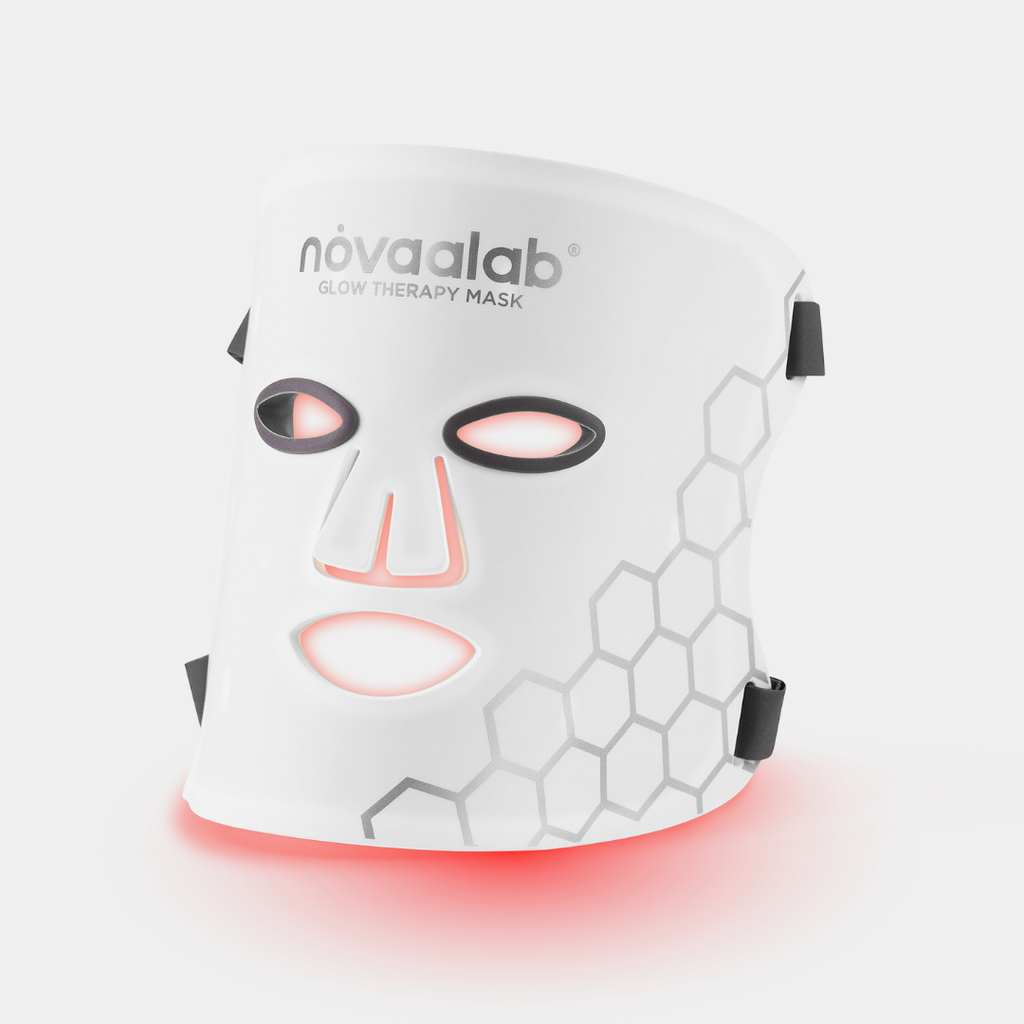
Treatment area: Small handheld devices work well to target smaller areas, and large pads work best for larger areas where you need consistent coverage, such as your back, hamstrings, and shoulders. However, you may prefer to focus on just one area, such as your face or knees. NovaaLab offers multiple formats depending on the area you want to treat, from our Novaa Glow Therapy Mask for your facial skin to focused devices for the knee, foot, and even oral care.
- FDA clearance: FDA clearance gives you peace of mind knowing you’re using a device that’s been evaluated for safety. The Novaalab selection is FDA-cleared under Class II medical device standards. That means our devices have passed safety and performance reviews.
How to Use Red & Infrared Light Therapy at Home
Red light therapy is simple to use — no appointments, no learning curve, just consistency. You can get results with a few short sessions each week. Just follow these guidelines:
- Start with 10 to 20 minutes per session.
- Using it 3 to 5 times per week is ideal for most goals.
- Consistency matters more than intensity — regular sessions help build results over time.
Choosing the Right At-Home Light Therapy Device
If you want a device that handles skin support, pain relief, recovery, and wellness in one, consider dual-wavelength devices from NovaaLab. They are built to deliver professional-quality therapy at home and include these features:
-
Clinical-grade wavelengths (630–660nm red + 810–850nm NIR)
-
Medical-grade technology, designed for the peripheral nervous system
-
Targeted and full-body devices for flexible treatment coverage
-
Built-in safety features for worry-free, at-home use
- A 60-day “Love It or Return It” guarantee to ensure real results, risk-free
Whether you’re easing muscle soreness, improving joint comfort, reducing inflammation, or boosting skin health, NovaaLab’s red light therapy devices offer a gentle, non-invasive way to support your body from the inside out.


Leave a comment